Source galvanized high visibility bollards for Road Safety, Parking, Traffic
Find 30 galvanized high visibility bollards designed for road safety, parking zones, and traffic separation. Buyers can compare steel thickness, fixation types, and customization options across multiple models from verified Chinese manufacturers.
Key considerations
Products List


Comprehensive Sourcing Guide
Strategic Sourcing Guide for Galvanized High Visibility Bollards
Understanding the Product Category and Core Specifications
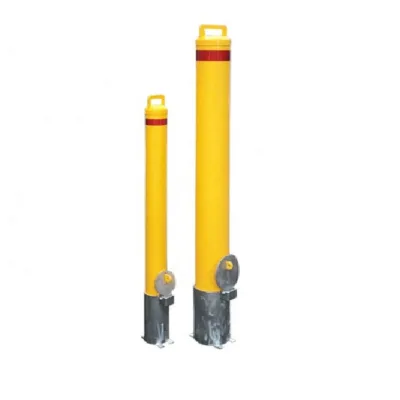
When sourcing galvanized high visibility bollards, buyers must first distinguish between the various sub-categories that often appear under this broad keyword. The market offers a diverse range of products, from fixed steel barriers to removable manual bollards, each serving distinct safety functions. The core material for these products is consistently steel, often specified as Q235 or similar grades, which provides the necessary structural integrity for traffic safety applications. A critical attribute observed in high-quality listings is the surface treatment, which is predominantly galvanized. This process is essential for corrosion resistance, ensuring the bollards can withstand outdoor exposure in various weather conditions without degrading.
The visual component of "high visibility" is achieved through specific color options. Buyers should expect to find products available in standard safety colors such as silver, blue, red, yellow, and black. These colors are not merely aesthetic but serve functional roles in road traffic safety and parking safety. The shape of the bollards is typically round, designed to deflect vehicles safely or to act as a clear visual obstruction. Some products are classified as flexible barriers, capable of withstanding impact with a degree of distortion, while others are fixed or embedded types designed for permanent separation and obstruction. Understanding these technical distinctions is the first step in defining the exact procurement requirements for a specific project.
Technical Specifications and Customization Options
Technical specifications for galvanized bollards vary significantly based on the intended application, whether it be for central isolation barriers, vehicle fences, or parking zones. The physical dimensions are a primary consideration. For instance, standard single package sizes for these heavy-duty items can reach approximately 50x120x40 cm, with single gross weights around 20 kg, indicating the substantial mass required for stability. The steel thickness is another critical parameter; while some listings may indicate "OEM" or customizable thickness, buyers must verify the specific gauge required for their site's impact resistance needs.
Customization is a prevalent feature in this sector, allowing buyers to tailor the product to their specific site requirements. This includes the ability to customize color, design, and function. The fixation method is equally important; the market offers both embedded types, where the bollard is set directly into the ground for maximum stability, and expansion bolt types, which allow for installation on existing paved surfaces without deep excavation. Furthermore, advanced models may integrate operating features such as LED lights or solar lights, enhancing visibility during low-light conditions. The product model numbers, such as GL-B-06, BZ, LB-104, or SB-001, often denote specific configurations of these features, and buyers should cross-reference these codes with their engineering specifications to ensure compatibility.
Compliance, Certification, and Safety Standards Verification
In the realm of road traffic safety and parking safety, compliance with local and international standards is non-negotiable. While specific certification names or standard numbers may not be universally listed in every product description, buyers must rigorously verify that the galvanized steel bollards meet the relevant safety regulations for their region. The primary function of these barriers—separation, obstruction, and warning—must align with the safety protocols of the jurisdiction where they will be installed.
Buyers should request documentation proving that the galvanization process meets industry standards for thickness and adhesion, as this directly impacts the longevity and safety of the barrier. The material composition, often cited as Q235 steel, should be verified to ensure it meets the tensile strength requirements for the intended load. Additionally, if the bollards are intended for high-traffic areas, the "flexible barrier" classification implies a specific engineering design that allows for controlled deformation upon impact. Buyers must ensure that the supplier can provide test results or engineering certifications that validate these performance claims. Without verified data on the degree of distortion or impact resistance, the procurement of such safety-critical infrastructure carries significant risk.
Cost Drivers and Pricing Dynamics
The pricing of galvanized high visibility bollards is influenced by a complex interplay of factors, including material costs, manufacturing processes, and logistical considerations. The observed price range in the market can vary widely, from approximately $1.52 to $135 per unit, reflecting the diversity in product complexity, size, and customization level. Several key drivers contribute to these cost variations. First, the thickness of the steel and the quality of the galvanization process are primary cost determinants. Thicker steel and more robust surface treatments increase material and processing costs.
Second, the level of customization significantly impacts the final price. Products that require tailored designs, specific color combinations, or integrated lighting systems like LEDs or solar panels will command a higher price point than standard off-the-shelf models. The packaging and shipping logistics also play a role; given the heavy nature of steel bollards, with single gross weights around 20 kg, the cost of packaging (often in cartons) and freight is substantial. Buyers should also consider the Minimum Order Quantity (MOQ), which can range from 1 to 500 units. Larger orders often benefit from economies of scale, potentially lowering the unit cost, while smaller orders may incur higher per-unit prices due to setup and handling fees.
Typical Applications and Functional Requirements
The application of galvanized high visibility bollards is broad, spanning from road traffic safety to parking management and vehicle fencing. In road traffic scenarios, these bollards serve as central isolation barriers, separating opposing lanes of traffic or protecting pedestrian zones. Their function is to provide a clear visual warning and a physical obstruction to prevent unauthorized vehicle entry. In parking environments, they are used to delineate parking spaces, protect building corners, and manage vehicle flow. The "high visibility" aspect is crucial here, ensuring that drivers can easily identify the barriers in both daylight and low-light conditions.
Different product types are suited for different applications. For instance, "road manual bollards" are often used in temporary or semi-permanent setups where flexibility is required. In contrast, "fixed bollards" or "embedded type" barriers are ideal for permanent installations where maximum security and stability are needed. The "flexible barrier" classification is particularly relevant for areas prone to accidental vehicle impact, as these designs are engineered to absorb energy and return to their original position, minimizing damage to both the vehicle and the barrier. Buyers must match the specific functional requirements of their site—such as the need for separation, obstruction, or warning—with the appropriate product type to ensure optimal performance.
Supplier Evaluation and Quality Control Protocols
Evaluating suppliers for galvanized bollards requires a focus on several critical criteria beyond just price. The geographic origin of the product is a significant factor; many high-quality steel bollards are manufactured in industrial hubs such as Sichuan or Jiangsu in China. Buyers should verify the specific place of origin to understand the supply chain dynamics and potential logistical lead times. The brand name, such as GEELIAN, may indicate a specific manufacturer's reputation, but buyers should not rely solely on brand recognition without verifying the underlying manufacturing capabilities.
Quality control is paramount. Buyers should request detailed information on the production process, specifically the galvanization technique used. The consistency of the zinc coating is vital for preventing rust and ensuring the "strong and lasting" feature advertised. Inspecting the raw materials, such as the Q235 steel grade, is also essential. Suppliers should be able to provide mill test certificates or equivalent documentation to verify material composition. Furthermore, the packaging method, described as "safe packing" or "carton," must be robust enough to prevent damage during transit, especially given the heavy weight of the products. Buyers should also assess the supplier's ability to handle customization requests, ensuring they have the engineering capacity to produce tailored designs that meet specific site requirements.
Long-Term Procurement and Lifecycle Considerations
When planning long-term procurement for galvanized high visibility bollards, buyers must consider the total cost of ownership rather than just the initial purchase price. The durability of the galvanized coating is a primary factor in the product's lifespan. A high-quality galvanization process can extend the service life of the bollards significantly, reducing the need for frequent replacement and maintenance. Buyers should inquire about the expected lifespan of the product under various environmental conditions, particularly in coastal or industrial areas where corrosion rates may be higher.
Maintenance requirements are another critical consideration. While galvanized steel is low-maintenance, periodic inspections are necessary to ensure the integrity of the barrier and the effectiveness of the high-visibility colors. Over time, the paint or reflective coatings may fade or chip, requiring repainting or replacement of specific components. For bollards with integrated lighting, the longevity of the LED or solar components must also be factored into the procurement strategy. Additionally, buyers should consider the modularity of the design; if a section of a barrier is damaged, can it be easily replaced without dismantling the entire structure? Understanding these lifecycle factors helps in making a procurement decision that balances immediate budget constraints with long-term operational efficiency and safety compliance.
FAQs
What material is used for galvanized high visibility bollards?
The primary material is steel, often specified as Q235 grade, ensuring structural integrity for traffic safety. Some listings also mention stainless steel or general metal compositions. This steel base supports the galvanized surface treatment required for outdoor durability and corrosion resistance.
How are these bollards fixed to the ground?
Fixation methods include embedded types for permanent stability or expansion bolts for installation on existing paved surfaces. The choice depends on whether the site requires a fixed barrier or a removable solution. Buyers should verify the specific post fixation type required for their application.
Which colors are available for high visibility safety bollards?
Standard color options include silver, blue, red, yellow, and black to ensure high visibility in various lighting conditions. Customization is available for specific color or design requirements. These colors serve functional roles in road traffic safety and parking safety applications.
Can I customize the size and function of the bollards?
Yes, customization is available for color, design, and function to meet specific site needs. Height can be supported as a custom parameter, and features like LED or solar lights may be integrated. Buyers should confirm the exact specifications with the manufacturer before ordering.
What is the typical weight and packaging for these products?
A single unit typically has a gross weight of 20 kg and is packaged in cartons or safe packing materials. The single package size often measures 50x120x40 cm. This heavy weight and robust packaging ensure stability and protection during transit for these steel barriers.
Where are these galvanized bollards manufactured?
Products are manufactured in industrial hubs such as Sichuan and Jiangsu in China. The place of origin affects logistics and lead times for international buyers. Buyers should verify the specific location to understand supply chain dynamics and potential shipping requirements.
What is the minimum order quantity for these bollards?
The minimum order quantity ranges from 1 to 500 units depending on the supplier and product type. Larger orders often benefit from economies of scale, while smaller orders may have higher per-unit costs. Buyers should check the specific MOQ for their selected model number.